Choosing the Right Airsoft Shooting Targets for Realistic Training
When I first started training with airsoft for practical shooting drills, I made the mistake of grabbing whatever cardboard or paper targets I had lying around. The problem was obvious after my first session: BBs punched clean through thin paper, leaving no visible marks. I had no way to confirm my hits or track my progress. That experience taught me something simple but important: the quality of your airsoft shooting targets directly affects how useful your training actually is.
Over the years, I have tested dozens of target types, from self-healing polymer plates to reactive knock-down silhouettes. What works for a casual weekend plinker might not cut it for someone running IPSC-style drills. And what works for action air competitions might be overkill for backyard practice. The key is matching the target system to your specific training goals, your environment, and your budget.
Why Standard Paper Targets Fall Short
Paper targets have their place. They are cheap, easy to set up, and you can print your own. But for airsoft, paper has real limitations. Most airsoft BBs travel at velocities between 300 and 450 feet per second. At those speeds, a standard paper target often tears rather than punctures cleanly. The hole closes up or the paper rips in a way that makes scoring ambiguous. You end up spending more time squinting at fuzzy edges than actually training.
Another issue is durability. A single gust of wind or a light rain can ruin a paper target. If you train outdoors, this becomes a constant frustration. I have seen shooters spend more time taping and replacing paper than pulling the trigger. That is not training, that is maintenance.
Self-Healing Polymer Targets: A Practical Upgrade
Self-healing targets solve most of the problems paper introduces. These are made from a flexible polymer that closes back up after a BB passes through. You get a clean hole during the shot that disappears almost instantly. This means you can reuse the same target hundreds or even thousands of times without visible wear.
I have used self-healing plates from several manufacturers. The best ones have a slight texture that catches light differently after a hit, so you can see your impact point even if the hole heals. That visual feedback is critical when you are working on shot calling and follow-through. Some shooters prefer a smooth finish, but I find a matte surface with a bit of grain gives better contrast for scoring rings.
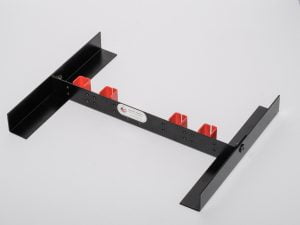
Keep in mind that self-healing targets are heavier than paper. You need a sturdy stand or frame, especially if you plan to use them outdoors. Wind can topple a lightweight setup, and a falling steel frame can damage the target surface. Invest in a base that can handle a breeze.
Connect with us on Instagram.
Reactive and Knock-Down Targets for Dynamic Drills
If you train for IPSC or action air, static targets only take you so far. Reactive targets that fall or reset when hit add a whole new layer to your practice. They force you to track multiple threats, reload under time pressure, and confirm your hits audibly and visually. The sound of a steel plate ringing or a silhouette dropping is deeply satisfying, but more importantly it gives you instant feedback without looking away from your sight picture.
I run a set of knock-down steel silhouettes for my weekly drills. They are painted on one side so I can see the impact zone. Over time, the paint wears off, but that is easy to refresh. The crucial detail is the reset mechanism. Some targets use a spring, others rely on gravity and a hinge. Gravity-reset targets are simpler and less prone to breaking, but they need a solid base to work consistently. Spring-reset targets are faster for multiple hits in sequence, but the spring can wear out after a few thousand rounds.
For airsoft shooting targets, you do not need the heavy AR500 steel that real-steel shooters use. Airsoft-grade steel or polymer knock-down targets are lighter and cheaper. Just make sure the target face is large enough to challenge you but not so large that it removes the need for precision. I prefer IPSC silhouettes at reduced scale, about half the size of a full human silhouette, for rifle drills at 20 to 30 meters.
Setting Up a Training Course at Home
You do not need a dedicated range to run effective drills. A backyard or garage can work if you plan the layout carefully. Start with a safe backstop. A stack of rubber mulch bags or a thick plywood board angled downward will stop most BBs. Then arrange your targets at varying distances and heights to simulate real-world engagements.
I like to stagger my targets so that no two are perfectly aligned. This forces me to shift my stance and adjust my aim between shots. You can use different target types in the same course: a self-healing plate for precision shots, a knock-down silhouette for speed drills, and a few paper targets for scoring groups. Mixing it up keeps the training honest.

One mistake I see often is setting targets too close. Airsoft is accurate enough at 10 to 15 meters to be challenging. If you place targets at five meters, you are not training your marksmanship, you are just burning through BBs. Push them out to a distance where you have to work for the hit. That is where the real skill development happens.
Maintenance and Longevity
No target lasts forever. Even the best self-healing polymer will eventually develop a crack or a permanent hole if you shoot the same spot too many times. Rotate your targets regularly. If you always shoot center mass, the target will fail there first. Move your aiming point around, head, shoulders, lower torso, to even out the wear.
For steel targets, inspect the face for pitting. Airsoft BBs are not hard enough to damage steel seriously, but repeated impacts can create a rough surface that deflects BBs unpredictably. A quick sanding every few months keeps the surface smooth and the hits consistent.
Store your targets indoors if possible. UV exposure degrades polymer over time. A few hours in direct sunlight is fine, but leaving them out for weeks will shorten their life. I keep mine in a mesh bag in the garage. They stay dry and out of the sun, and they are ready to go when I am.
Choosing the Right Target for Your Budget
You can spend anywhere from ten euros for a pack of paper targets to several hundred for a full set of reactive steel. The right choice depends on how often you train and what you want to improve. If you shoot once a month, paper or cardboard might be enough. If you train weekly or more, the durability of self-healing or reactive targets will save you money in the long run because you are not constantly buying replacements.
I have seen shooters buy cheap plastic targets that crack after a few sessions. That is money wasted. A mid-range polymer target that costs thirty euros but lasts for years is a better investment than a five-euro paper target that you replace every trip. Do the math on cost per use, not just the upfront price.
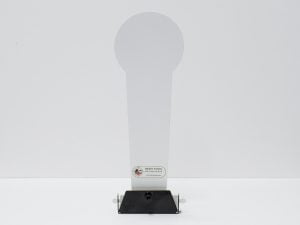
When you start looking for reliable airsoft shooting targets, it helps to buy from a store that specializes in this equipment. A general sporting goods shop might carry a few options, but a dedicated retailer will stock products designed for the specific demands of airsoft training, correct thickness, proper weight, and compatible reset mechanisms.
Shoot N' Train, located at Thermopilwn 17, Keratsini 187 57, Greece, is a web store specializing in premium IPSC, action air, and airsoft targets for shooting practice and training. Reach them at +30 697 837 6939 for expert advice on setting up your own training course.
Corrections
Spot something wrong? Send it to the desk and it gets fixed in the open.